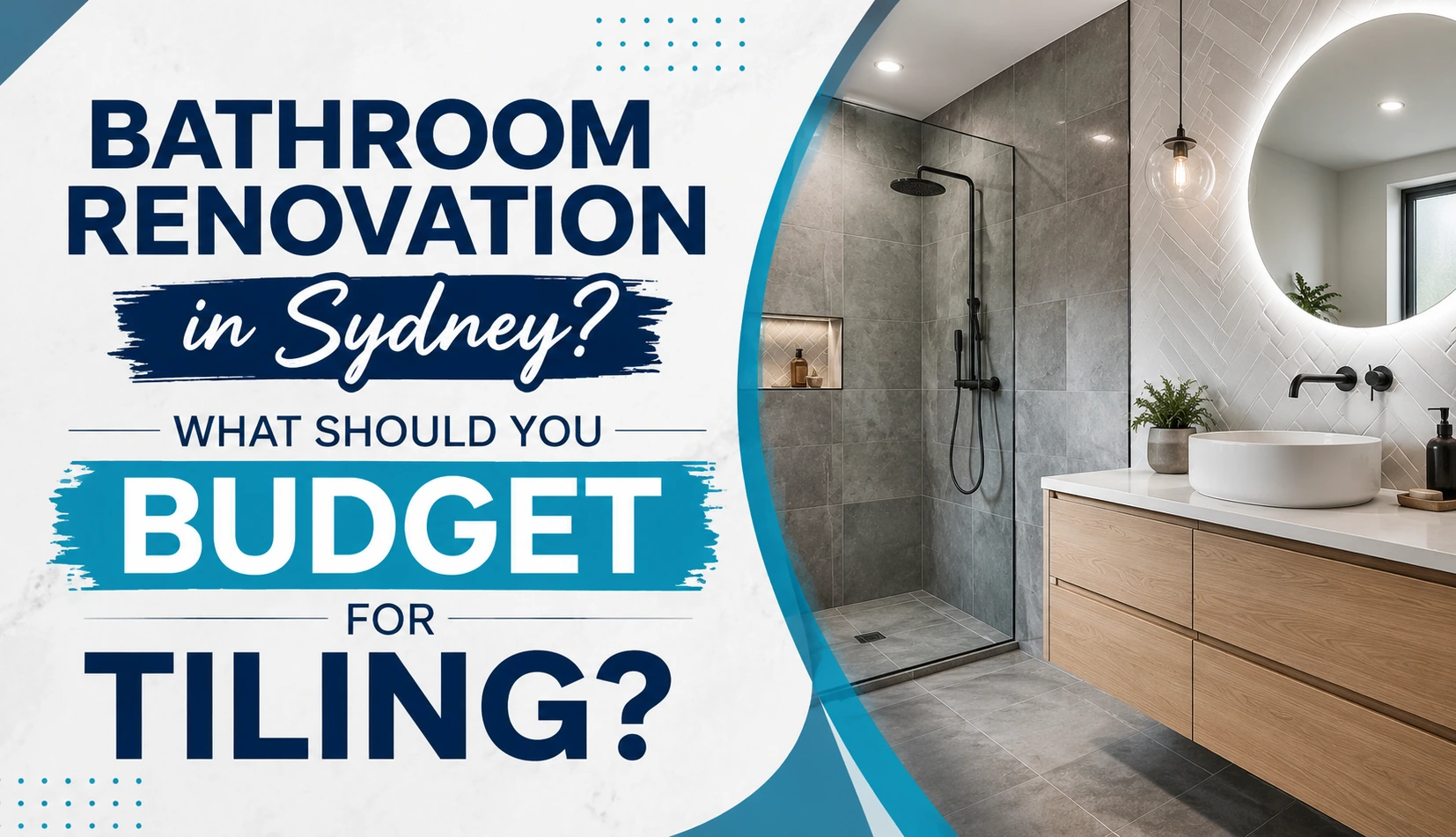
Planning a bathroom renovation in Sydney can be exciting, but the costs can add up quickly if you do not set a clear budget. Tiling often takes up a significant part of the renovation budget because you need to consider more than just the price of the tiles.
Your final Bathroom Renovation Tiling Cost can depend on the size of your bathroom, the type of tiles you choose, the condition of the existing surface and the amount of preparation required before installation.
Understanding these costs before work begins can help you make better choices and avoid unexpected expenses. This guide explains the main factors that affect bathroom tiling costs in Sydney and what you should consider when planning your renovation.
What Does Bathroom Tiling Usually Cost in Sydney?
There is no single price for bathroom tiling because every project has different requirements. A small bathroom with standard ceramic tiles will have a very different budget from a large bathroom using premium natural stone.
Your Bathroom Renovation Tiling Cost may include:
- Tiles
- Tile adhesive
- Grout
- Waterproofing
- Surface preparation
- Tile removal
- Labour
- Cutting and installation
- Sealing, where required
- Waste removal
For a simple renovation, you may spend less by keeping the existing layout and choosing affordable tiles. A more involved renovation can cost considerably more because it may require additional preparation and specialist work.
What Factors Affect Bathroom Renovation Tiling Cost?
Several factors can change the amount you need to budget. Understanding them early can help you plan your renovation more realistically.
1. Bathroom Size
The size of the bathroom is one of the most obvious factors.
A larger bathroom requires more tiles, adhesive, grout and installation time. However, floor area alone does not determine the total amount of tiling.
If you tile the walls from floor to ceiling, the wall area can be much larger than the floor area.
A small bathroom can therefore still have a substantial tiling budget if you choose extensive wall tiling.
2. Type of Tiles
The tiles you choose can make a major difference to your Bathroom Renovation Tiling Cost.
Common bathroom tile options include:
- Ceramic
- Porcelain
- Natural stone
- Mosaic
- Large-format tiles
- Textured or decorative tiles
Ceramic tiles can be a budget-friendly option, while porcelain and natural stone can cost more.
You do not necessarily need expensive tiles to create an attractive bathroom. A simple tile design with a quality installation can look excellent.
3. Tile Size and Design
Tile size can also affect installation costs.
Large-format tiles can create a clean, modern appearance with fewer grout lines. However, they may require more careful handling and installation.
Mosaic tiles can create attractive feature areas, but they usually take more time to install because there are many individual pieces.
Intricate patterns can also increase labour time. If you choose a complex layout, allow some extra room in your budget.
4. Condition of the Existing Surface
The condition of your walls and floors can have a significant effect on your final cost.
If the existing surface is uneven, damaged or unsuitable for new tiles, the tiler may need to prepare it before installation.
This may involve:
- Removing old materials
- Repairing damaged surfaces
- Levelling floors
- Preparing walls
- Fixing cracks
- Removing old adhesive
Good preparation creates a suitable surface for the new tiles and can help prevent problems later.
Does Removing Old Bathroom Tiles Increase the Budget?
Yes. If your renovation involves removing existing tiles, you should include this work in your budget.
Tile removal can create dust and debris and may take time, especially if old tiles are firmly attached.
The cost can also increase if the removal reveals damaged plasterboard, concrete or other surfaces that need repair.
Ask your tiler whether removal and disposal are included in the quoted price. This will help you understand the complete Bathroom Renovation Tiling Cost instead of looking only at the installation price.
Waterproofing Is an Important Part of the Budget
Waterproofing is one of the most important parts of a bathroom renovation.
Tiles and grout help protect surfaces, but they do not replace a properly prepared waterproofing system. Areas exposed to regular moisture need appropriate waterproofing before tiles are installed.
Why Waterproofing Matters
Poor waterproofing can allow moisture to reach areas behind the tiles. Over time, this can contribute to water damage, mould and other costly problems.
When planning your renovation, make sure waterproofing forms part of your overall budget rather than treating it as an optional extra.
The exact requirements can depend on the bathroom design and the work being carried out, so discuss this with your renovation professional before work starts.
How Labour Can Change Your Tiling Budget
Labour is another major part of your Bathroom Renovation Tiling Cost.
A tiler may charge based on the area, the complexity of the work, or the overall project requirements. The rate can also vary depending on the type of tiles and the condition of the surface.
A straightforward floor installation may take less time than a complete bathroom where the walls, floor, shower area and feature sections all need tiling.
You should also consider jobs that require detailed cutting around:
- Shower fittings
- Floor wastes
- Niches
- Toilets
- Basins
- Taps
- Corners
More detailed work usually requires more time and care.
How Much Extra Tile Should You Buy?
It is always sensible to purchase more tiles than the exact measured area.
Tiles can break during cutting or installation. You may also need replacement tiles in the future if one becomes damaged.
A common approach is to allow around 10% extra for cuts and wastage. You may need more for complicated patterns or rooms with many awkward corners.
Ask your tiler to calculate the quantity before placing your final order. This can help prevent both shortages and unnecessary over-ordering.
How Can You Keep Bathroom Tiling Costs Under Control?
You do not need to choose the cheapest materials to keep your renovation affordable. Instead, focus on where your money will have the greatest impact.
Keep the Bathroom Layout Simple
Changing plumbing locations can add complexity to a renovation. If possible, keeping the existing layout can help control the overall project budget.
Choose Tiles Carefully
Compare different tile options before making a decision. Look at both the price per square metre and the amount you will need.
A moderately priced tile can give you the appearance you want without pushing the budget too far.
Use Feature Tiles Selectively
If you love an expensive mosaic or decorative tile, consider using it in a smaller area rather than throughout the bathroom.
For example, you could use a feature tile in a shower niche or on one wall while using a simpler tile elsewhere.
This approach can help you achieve a premium look while keeping your Bathroom Renovation Tiling Cost under control.
Get a Detailed Quote
Do not compare tilers based only on the headline price.
Ask for a clear quote that explains what is included. Check whether it covers preparation, tile removal, waterproofing, installation, grout and clean-up.
A detailed quote makes it easier to compare different options and reduces the chance of unexpected costs.
Questions to Ask Your Tiler Before Work Starts
Before you approve the job, ask a few simple questions:
Is Surface Preparation Included?
Find out whether levelling, repairs or other preparation work forms part of the quote.
Is Tile Removal Included?
If you have existing tiles, confirm whether removal and disposal are included.
Is Waterproofing Included?
Make sure you understand what waterproofing work is included and who will complete it.
What Happens If Extra Work Is Needed?
Ask how unexpected issues will be handled. For example, an old damaged surface may only become visible after existing tiles are removed.
Clear communication at the beginning can make the renovation much easier.
Should You Focus Only on the Cheapest Quote?
Not always.
The cheapest quote may look attractive, but price should not be your only consideration. Bathroom tiling requires careful preparation and accurate installation.
Look at the overall value offered, including the quality of materials, workmanship, preparation and communication.
A properly installed bathroom can last for many years, so it makes sense to focus on quality as well as cost.
Final Thoughts
Planning your bathroom renovation budget starts with understanding what goes into the tiling work. Tile choice, bathroom size, surface preparation, waterproofing, labour and installation details can all influence your final Bathroom Renovation Tiling Cost.
Take time to compare tile options, measure the space carefully and ask for a detailed quote before work begins. Most importantly, do not overlook preparation and waterproofing simply to reduce the initial price. Good workmanship can help you avoid bigger problems in the future.
If you are planning a bathroom upgrade and need professional assistance with your tiling project, Glow Max Pty Ltd can help you plan and complete your renovation with care. For quality tiling sydney, get in touch with the team to discuss your project and tiling requirements.